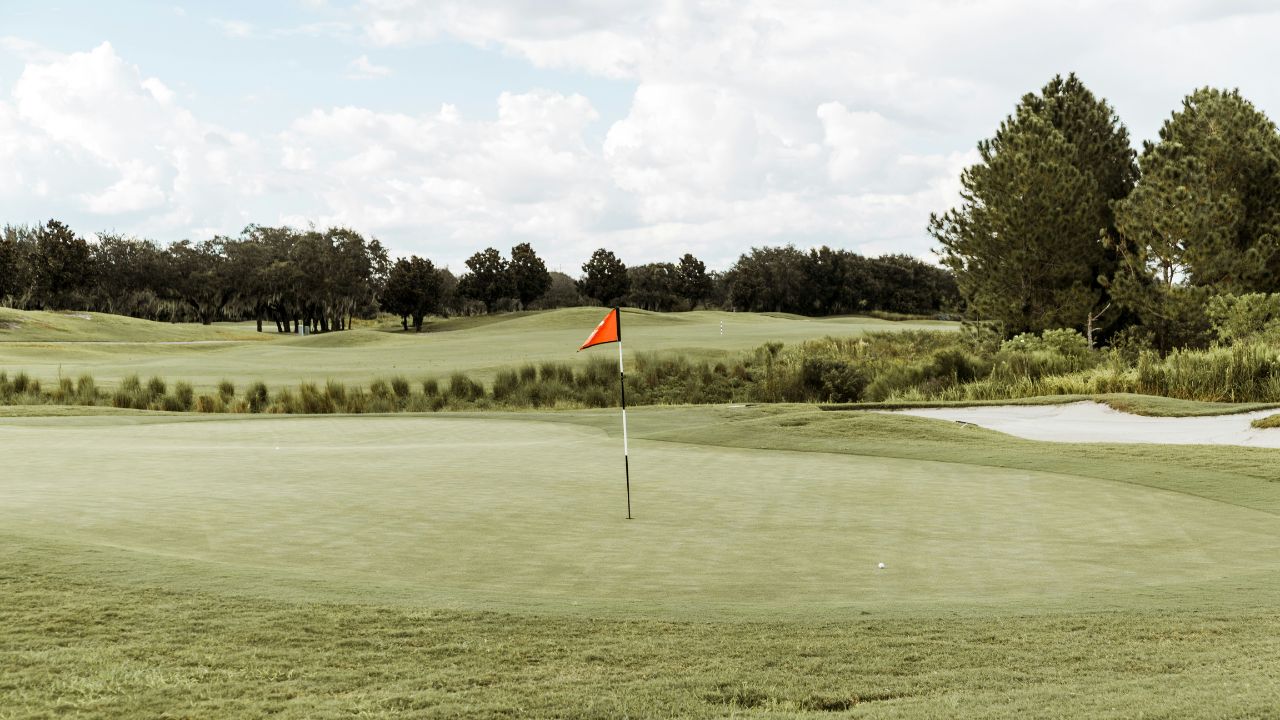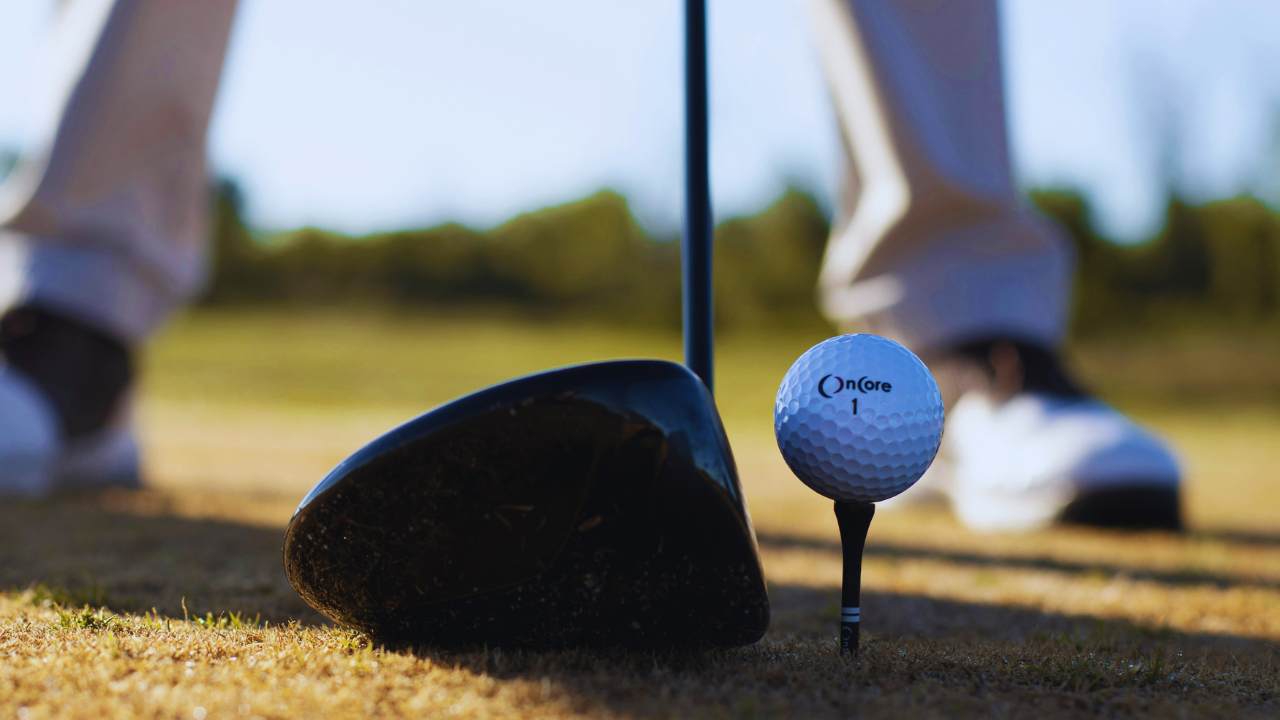
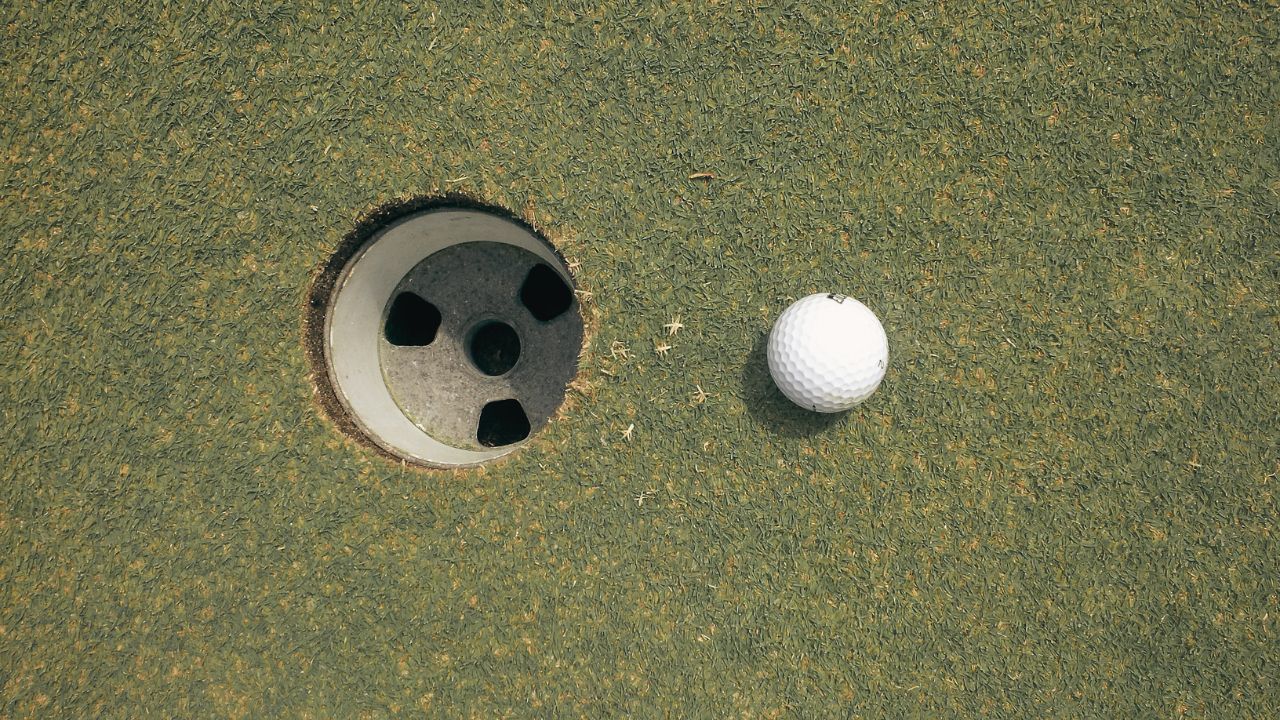
The spin of a golf ball varies considerably depending on the model and club used. A high spin rate with the wedge improves control around the greens. Low spin with the driver increases distance. Here is the launch monitor data measured for 12 models available at Golfiller.
Technical data by model
| Model | Cover | Driver (rpm) | 7-iron (rpm) | 54° wedge (rpm) | Spin profile | Golfiller price |
|---|---|---|---|---|---|---|
| Titleist Pro V1 | Urethane | 2 179 | 5 200 | 6 561 | 34,99 € | |
| Titleist Pro V1x | Urethane | 2 505 | 5 728 | 6 751 | 34,99 € | |
| Titleist AVX | Urethane | 2 050 | 4 900 | 6 300 | 32,99 € | |
| Callaway Chrome Soft | Graphene urethane | 2 200 | 4 900 | 6 200 | 21,99 € | |
| TaylorMade TP5 | Dual urethane | 2 408 | 5 912 | 6 100 | 34,99 € | |
| TaylorMade TP5x | Dual urethane | 2 466 | 5 023 | 6 597 | 34,99 € | |
| Srixon Z-Star | SpinSkin+ urethane | 2 556 | 4 681 | 6 137 | 29,99 € | |
| Srixon Q-Star Tour | SpinSkin urethane | 2 480 | 5 200 | 5 900 | 24,99 € | |
| Srixon AD333 | Ionomer | 2 700 | 5 300 | 4 800 | 9,99 € | |
| Callaway Supersoft | HEX ionomer | 2 400 | 4 900 | 4 600 | 23,99 € | |
| Wilson Duo Soft | Ionomer | 2 600 | 4 700 | 4 400 | 9,99 € | |
| Inesis Tour 900 | Urethane | 2 350 | 5 100 | 5 800 | 13,99 € |
Understanding spin by club
Driver: less spin = more distance
With the driver, the goal is to minimise spin to maximise distance. The optimal window is between 2,000 and 2,800 rpm at a swing speed of 95–100 mph. Above 3,000 rpm, the ball "balloons" and loses total distance. Golf balls like the Titleist AVX (2,050 rpm) or the Pro V1 (2,179 rpm) are designed for players looking to reduce driver spin.
7-iron: distance / control balance
The 7-iron serves as a reference for measuring the average spin profile of a golf ball. A spin between 4,700 and 5,300 rpm is considered ideal for an amateur: enough spin to stop the ball on the green, not too much to preserve distance. Above 5,500 rpm, you have more control but less roll.
54° wedge: maximum spin matters
It is on approach shots (50–100 m) that the ball's cover makes all the difference. A urethane ball can generate 6,500 to 6,800 rpm with the wedge, compared to 4,400 to 4,900 rpm for an ionomer ball. At 80 m, this gap translates to 3 to 5 metres less roll after landing: the difference between a tap-in and being 3 metres past the flag.
Which spin profile suits your level?
Expert player (handicap ≤ 10)
Opt for a urethane cover with a wedge spin above 6,000 rpm to be able to attack flags. Pro V1x, TP5x or Z-Star are benchmark options.
Intermediate player (handicap 10–20)
Look for a compromise: Pro V1, TP5, Chrome Soft or Q-Star Tour. You will gain wedge control without sacrificing driver distance.
Improving player (handicap 20+)
An ionomer golf ball like the Supersoft or the AD333 will offer you more forgiveness and distance. The lower wedge spin is less critical as long as your short game is not yet consistent.
Frequently asked questions
Why do urethane golf balls spin more than ionomer ones?
The urethane cover is softer and tackier: it "grips" the wedge grooves more at impact, creating more friction and therefore more spin. Ionomer is a harder, more slippery thermoplastic, designed for durability and distance, not for short game spin.
Is spin really noticeable for an amateur?
With the wedge, yes: an amateur will clearly feel the difference between an AD333 (4,800 rpm) and a Pro V1 (6,561 rpm) on approach shots of 50 m. With the driver, the difference is less noticeable unless swing speed exceeds 100 mph. With a 7-iron, the gap is generally small.
Can a cheaper golf ball compete with tour balls?
The Inesis Tour 900 (£11.99 reconditioned at Golfiller) delivers a wedge spin of 5,800 rpm with a urethane cover — that's 80% of the spin of a Pro V1 for a third of the price. For an intermediate-level amateur, it's an excellent value-for-money option.
Does ball compression affect spin?
Yes, indirectly. A low-compression golf ball (Supersoft, Duo Soft) deforms more at impact, which reduces driver spin but also limits the penetration of the wedge grooves. High-compression balls with a urethane cover (Pro V1x, TP5x) maximise both: low driver spin + high wedge spin.
How do I measure the spin of my golf balls with my swing?
Only a launch monitor (Trackman, GCQuad, Foresight) gives an accurate measurement. Expect to pay £25–50 for a session at an equipped practice facility. Without a launch monitor, observe how your golf balls roll after landing on the green: a ball that rolls back or stops dead = high spin, a ball that rolls 5+ metres = low spin.
Sources: TGW.com tests "Best Tour Golf Balls of 2021" measured on Foresight GC2 (9° driver, 7-iron at 30.5°, 54° wedge). Today's Golfer 2025 data (GC Quad robot test) for Pro V1/V1x. MyGolfSpy 2025 Golf Ball Test for Z-Star. Values rounded to the nearest hundred rpm. These values are indicative for a driver speed of 95–100 mph and vary depending on swing and conditions.